Aims and objectives
CAMRED explores how disability is represented across contemporary Kenyan screen media and how these representations may influence public attitudes towards persons with disabilities. While disability is increasingly visible across television, news, documentary and digital media, harmful stereotypes and forms of social stigma remain widespread. There is limited evidence about how media representations contribute to these attitudes and how media creators can promote more inclusive portrayals.
Working in collaboration with media organisations, disability communities and advocacy groups, the project examines how disability is represented, how these representations are shaped within the media industries, and how they can be improved through evidence-based approaches. The findings will inform the development of the first practical toolkit for inclusive, non-stigmatising disability representation in Kenyan media.
The project has four main objectives:
- To understand how disability is represented across contemporary Kenyan screen media.
- To explore opportunities and challenges for improving disability representation within the Kenyan media industry.
- To develop and test an evidence-based toolkit for inclusive disability representation.
- To strengthen collaboration between media creators and disability communities in Kenya.
Methods
Methodology
The project uses a multi-method and participatory approach to investigate disability representation in Kenyan media. Informed by media studies, disability studies and social psychology, it combines media analysis, stakeholder engagement and collaborative knowledge exchange to identify practical strategies for reducing disability stigma through media.
Read more about the methodology
The research begins with an analysis of contemporary Kenyan screen media to examine how disability is represented across a range of genres and formats. This stage identifies common stereotypes, emerging forms of representation and opportunities for more inclusive portrayals.
The next stage focuses on engagement with media professionals and disability communities. Interviews and focus groups explore current industry practices, lived experiences of disability representation, and opportunities for improving collaboration between media creators and persons with disabilities.
The project then brings together researchers, media professionals, disability advocates and community members through a Festival of Disability Representation in Nairobi. The festival provides a space to discuss findings, exchange knowledge, test ideas and co-develop practical approaches to inclusive representation.
Findings from each stage inform the development of a disability representation toolkit for Kenyan media creators. The project also produces a documentary, reports, publications and public engagement activities designed to support longer-term change within the media sector.
Work packages
The research is organised into five interconnected work packages that follow disability representation from media content to industry practice and community engagement. Each work package focuses on a different aspect of the research, with findings informing the next stage of the project.
WP1: Media Analysis
WP1 examines how disability is represented across contemporary Kenyan screen media, including television, documentary, news, talk shows, lifestyle programming and digital content. The analysis explores patterns of representation, stereotypes and storytelling approaches that may contribute to either stigma or inclusion.
WP2: Media Industry Engagement
WP2 explores how disability representation is understood within the Kenyan media industry. Interviews and focus groups with journalists, producers, editors, directors and policymakers examine current practices, opportunities and challenges for change.
WP3: Disability Community Engagement
WP3 centres the perspectives of persons with disabilities. Through interviews and focus groups, participants reflect on media representations, experiences of stigma and opportunities for greater involvement in media production and decision-making.
WP4: Festival of Disability Representation
WP4 brings together media professionals, disability advocates, scholars and community members through a three-day festival in Nairobi. The festival provides opportunities for knowledge exchange, skills development, collaborative workshops and the testing of the representation toolkit.
Stakeholders
The Kenya project works closely with people and organisations from across the media, disability and research sectors. Their contributions help ensure that the research reflects both professional expertise and lived experience.
Persons with disabilities and disability organisations are involved throughout the project, contributing to research design, stakeholder engagement, toolkit development and public events. Guided by the principle of “Nothing About Us Without Us”, the project positions persons with disabilities as active collaborators rather than subjects of representation.
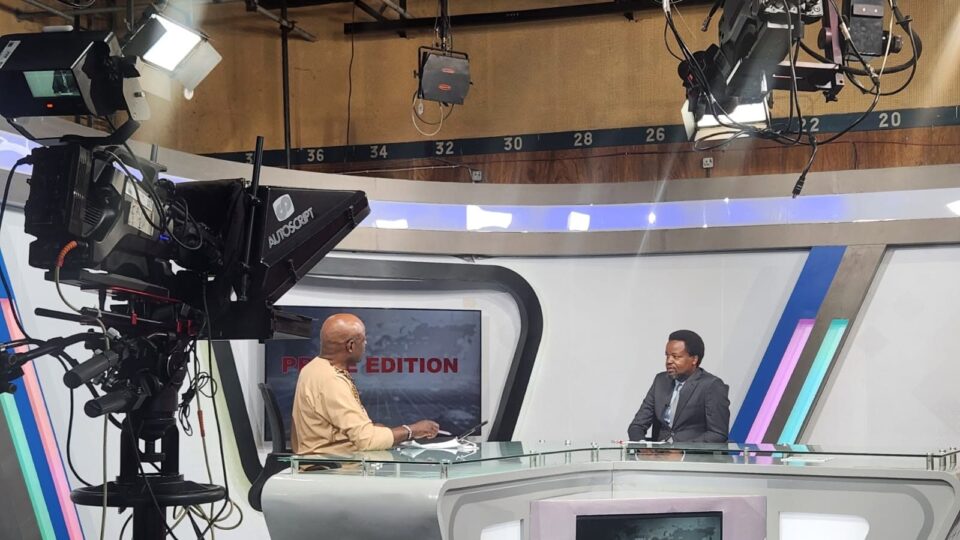
The project also engages with journalists, broadcasters, producers, filmmakers and policymakers. Collaboration with organisations such as the Kenya Broadcasting Corporation (KBC), Kenya Union of Journalists (KUJ), Signs Media and Action Network for the Disabled (ANDY) provides direct insight into contemporary media practices and opportunities for improving disability representation.
The project maintains close links with researchers, educators, advocacy organisations and community leaders working across disability, media and social inclusion in Kenya and internationally.