Research Programme
CAMRED is an interdisciplinary research programme exploring how media representations of disability shape public attitudes, social inclusion and social change. Bringing together researchers, media professionals and disability communities in the United Kingdom and Kenya, the programme investigates how storytelling, audiovisual techniques and media production practices influence audience perceptions of disability.
Through media analysis, audience research, industry engagement and community collaboration, CAMRED develops evidence-based insights into disability representation across film, television and social media. The programme examines both the challenges of ableist stereotyping and the opportunities for more nuanced, inclusive and socially responsible portrayals.
CAMRED produces practical resources for researchers, media creators, educators, activists and policy-makers, including representation frameworks, toolkits, reports, publications and public engagement activities.
Research themes
Media Representations of Disability
Disability has historically been underrepresented or portrayed through narrow and often stigmatising stereotypes across film, television and social media. Common tropes such as the incapable person, the victim or the supercrip can reinforce ableist assumptions and social exclusion. At the same time, media industries increasingly seek more nuanced and inclusive portrayals, raising important questions about what non-stigmatising disability representation should look like.
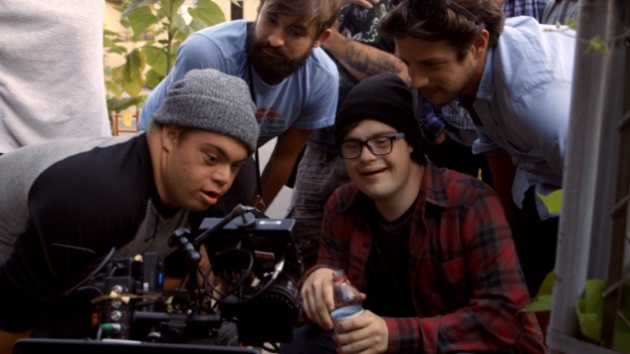
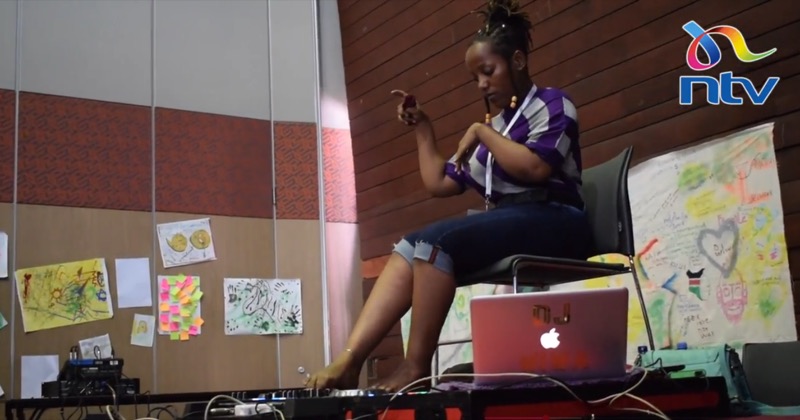

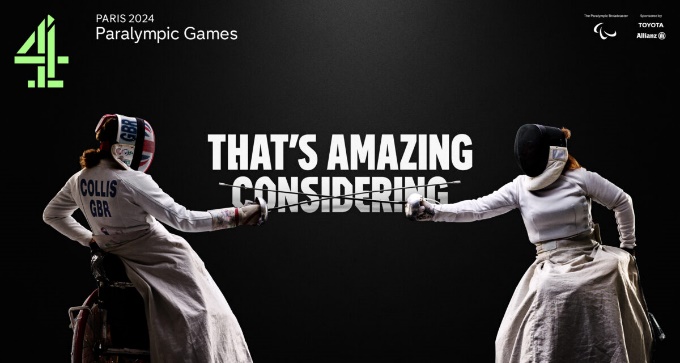
CAMRED examines how disability is represented across mainstream media in the United Kingdom and Kenya, including film, television, documentaries, news, current affairs, advertising, reality TV and social media. While scholarship on disability representation has grown significantly, there remains limited understanding of how contemporary portrayals shape public attitudes and perceptions of disability.
Working with broadcasters, media organisations and disability communities, CAMRED investigates how media representations can either reinforce stigma or contribute to more inclusive understandings of disability. The programme also explores how disability intersects with other social identities, including gender, ethnicity, age, culture and class, and how these intersections shape representation across different media and cultural contexts.
Media, Attitudes and Social Change
Media does more than reflect society: it can shape how people understand social groups, difference and belonging. For many audiences, film, television and online media provide some of their most frequent encounters with people with disabilities, making representation an important factor in the formation of public attitudes.
A central focus of CAMRED is how media representations influence the relationship between audiences and people with disabilities. When screen characters are perceived as fundamentally different from viewers, media can reinforce social barriers, stigma and exclusionary attitudes. The programme explores how media can foster greater understanding and social connection while respecting the distinct identities, experiences and perspectives of individuals and communities. Essentially, CAMRED seeks to understand how different forms of representation may reinforce or challenge disability stigma and contribute to inclusionary attitudes.
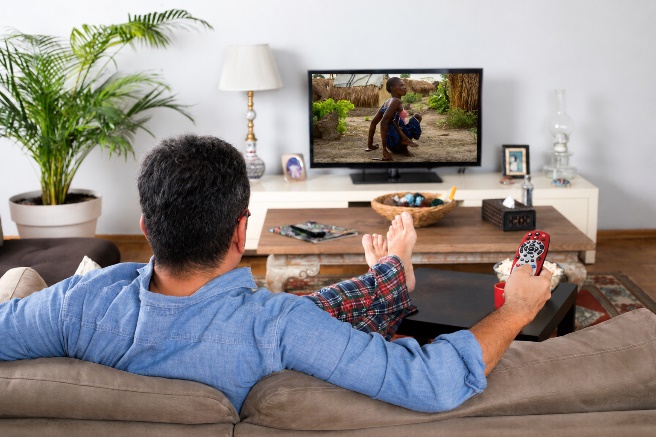
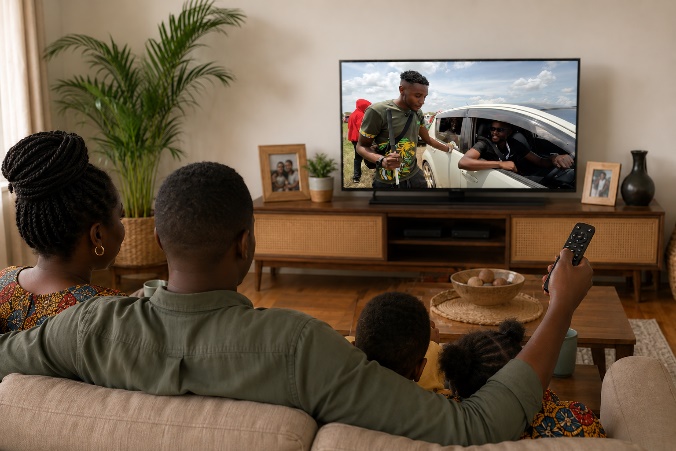
Recognising that audiences are diverse, CAMRED explores how disability representations are interpreted across different social and cultural contexts. By combining insights from media studies, social psychology and disability studies, the programme seeks to better understand the conditions under which media can contribute to more inclusive attitudes and positive social change.
Storytelling and Audience Engagement
Stories play a powerful role in shaping how audiences understand people, communities and social issues. CAMRED examines how narrative and audiovisual choices influence audience engagement with characters with disabilities across a range of media formats, including film, TV drama, documentaries, news, current affairs, magazines, advertising, reality TV and social media.
A central premise of the programme is that disability representations are rarely clearly “positive” or “negative”. Instead, media portrayals are often complex, layered and sometimes ambivalent, combining different messages, perspectives and affective responses within the same text. Understanding how audiences respond to this complexity is therefore essential for understanding how media representations influence perceptions of disability. CAMRED’s aim is NOT to prescribe fixed storytelling formulas. It does NOT divide representations into “positive/negative” or “good/bad”. It does NOT strive to prohibit or censor certain portrayals. Instead, it advocates for nuanced and strategic representations that prompt positive attitude change in viewers.
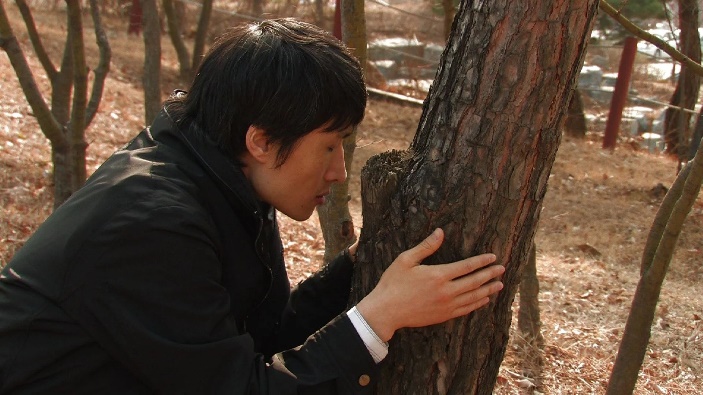
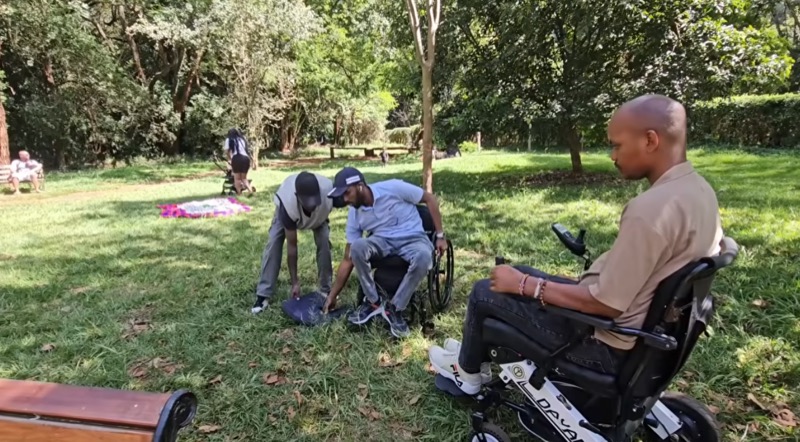
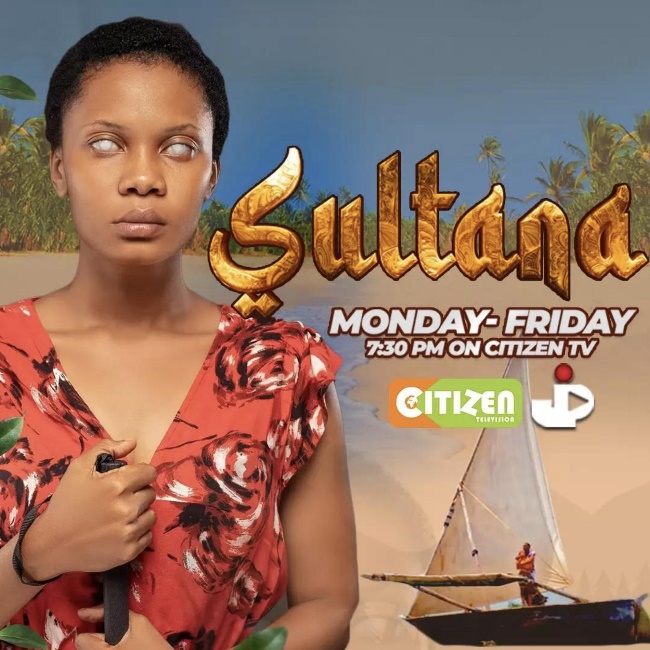
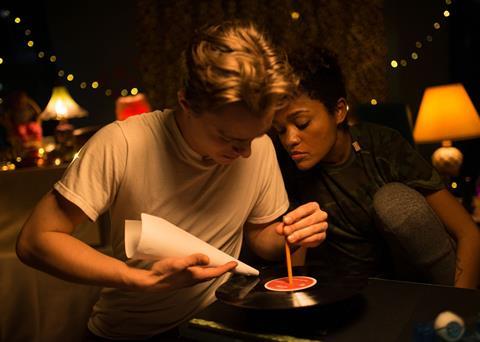
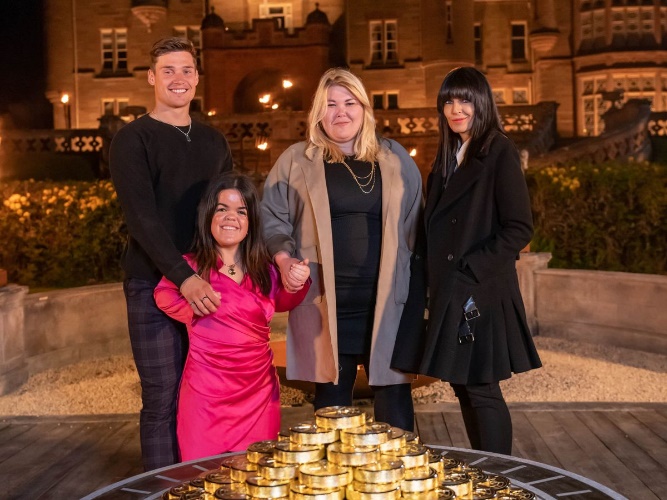
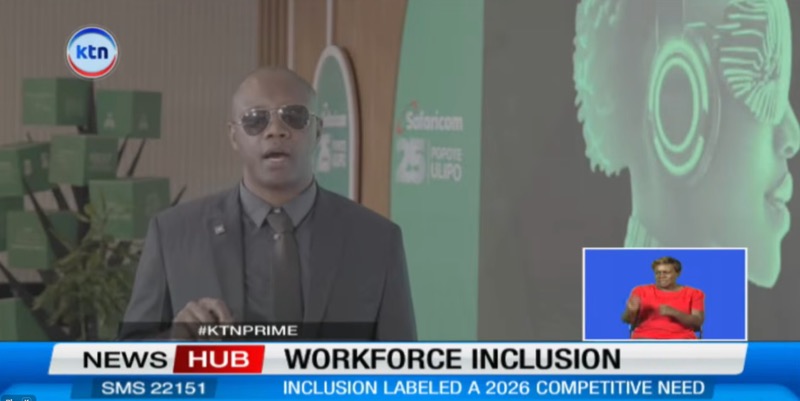
The programme also examines how different genres and formats elicit different forms of audience engagement. Long-form storytelling, such as TV drama, reality TV and social media channels, often provides greater scope for developing complex and multi-layered characters over time. By contrast, short-form formats such as advertising and news typically rely on more compressed and schematic characters, situations and narratives. Genres also differ in their storytelling conventions. For instance, current affairs, magazine programmes and sitcoms often draw on established narrative formulas designed to engage broad audiences. In contrast, genres like film and feature documentary may have greater freedom to experiment with perspectives, plots and audiovisual style.
CAMRED also recognises that storytelling practices are shaped by the creative, economic, cultural and time-related constraints of different media environments. Rather than advocating a single approach to disability representation, the programme develops flexible frameworks and toolkits that can be adapted to diverse genres, production contexts and audience expectations. These resources are designed to support media creators in challenging ableist attitudes while preserving creative freedom and enabling a wide range of engaging storytelling approaches. From a storytelling and audience engagement perspective, CAMRED seeks to foster, rather than restrict, creativity, innovation and meaningful audience engagement.
Disability Communities and Participation
CAMRED places disability communities at the centre of the research process. The programme works collaboratively with disability organisations, activists, media creators, scholars and community leaders to ensure that lived experience informs every stage of the research. We work with partners such as Action Network for the Disabled (ANDY), Signs TV, the British Film Institute’s (BFI) Disability Screen Advisory Group, the Centre for Disability and Inclusion Africa and the Global Alliance for Disability in Media and Entertainment (GADIM), engaging stakeholders through advisory boards, interviews, workshops, focus groups and knowledge exchange activities. These collaborations help the programme understand how disability is experienced, represented and negotiated across different social, cultural and media contexts. They also ensure that research questions, methods and outputs remain relevant to the priorities and concerns of disability communities.
A central principle of CAMRED is co-creation. Community members contribute not only to discussions about disability representation, but also to the development and evaluation of research frameworks, practical resources and public engagement activities. The programme also engages with media professionals with disabilities working across broadcasting, journalism, filmmaking, digital media and advocacy, recognising their expertise as both content creators and individuals with lived experience.
Media Industries and Inclusive Practice
CAMRED works closely with media industries, broadcasters and creative practitioners to ensure that research is informed by the realities of contemporary media production. From the beginning of the programme, industry partners have contributed to shaping the research through advisory boards, consultations and knowledge exchange workshops, helping to connect academic research with professional practice and policy.
Across the UK and Kenya the programme collaborates with the BBC, Channel 4, ITV, Sky, the Kenya Broadcasting Corporation (KBC), Signs TV, the Kenya Union of Journalists (KUJ), the British Film Institute (BFI), the TV Access Project and the Creative Diversity Network (CDN). Through interviews, consultations and collaborative events, CAMRED engages commissioners, journalists, filmmakers, producers, editors, diversity leads and media educators to better understand current approaches to disability representation and the opportunities and challenges facing media organisations.
A central objective of CAMRED is to translate research into practical resources that support inclusive media practice. These include representation frameworks, workshops, training activities and industry-facing toolkits developed in collaboration with our industry and community partners. The programme also creates spaces for dialogue and collaboration, including knowledge exchange events in the UK and the Festival of Disability Representation in Nairobi, which brings together industry professionals and disability community members to share expertise and develop new approaches to disability representation.
Team
Collaborators
Kenya
- Samuel MainaChair, Gender and Disability Mainstreaming Committee, Kenya Broadcasting Corporation (KBC)
- Luke MulekaMedia Professional, Signs Media
- Pamela NandwaSecretary, Gender and Disability Mainstreaming Committee, Kenya Broadcasting Corporation (KBC)
- Sharon NdunguExecutive Director, Action Network for the Disabled (ANDY)
- Erick OduorSecretary General, Kenya Union of Journalists (KUJ)
UK
UK collaborators to follow.
Advisory board
UK
- Richard AmmDisability Activist and Researcher, Disability Ark
- Prof. Kathleen BogartProfessor of Psychology; Co-Founder, Disability Advocacy and Research Network (DARN), Oregon State University
- Prof. Richard CrispProfessor of Social Psychology, Durham University
- Shani DhandaDisability Inclusion and Accessibility Specialist, Broadcaster and Activist, Innovating Inclusion
- Justin EdgarFilmmaker, Producer and Disability Advocate; Founder, 104 Films
- Prof. Katie EllisProfessor of Media and Communication, Curtin University
- Dr Peter GreggFilmmaker and Media Researcher; University of St. Thomas
- Prof. Beth HallerProfessor Emerita of Communication Studies, Towson University
- Dr Ella HoustonLecturer in Media and Communication, Liverpool Hope University
- Prof. Kerri KawakamiProfessor of Psychology, York University
- Dr Erin PritchardReader in Disability Studies, Liverpool Hope University
- Prof. Edward SchiappaJohn E. Burchard Professor of Humanities, Massachusetts Institute of Technology (MIT)
- Dr Alison WildeAssociate Professor in Sociology, Northumbria University
- Prof. Lingling ZhangProfessor of Electronic Media and Film, Towson University
Kenya
- Francis AnyendaCommunications Director, National Council for Persons with Disabilities
- Dr Ibrahim EmaraAssociate Professor of Journalism, Tanta University
- Dr Ngozi EmmanuelDisability Scholar and Advocate; Lecturer, Birmingham City University
- Skeeter ImisaTelevision Producer and Director, Kenya Broadcasting Corporation (KBC); Editorial Director; President, Rotary Club Nairobi South
- Dr Charles KebayaSenior Lecturer in Television Studies, Literature and Film, Machakos University
- Dr Jacinta MaweuSenior Lecturer in Philosophy and Media Studies, University of Nairobi
- Paul MugambiDisability-Inclusive Humanitarian Expert
- Alice MundiaChair, Differently Talented Society of Kenya (DTSK); Disability Advocate; IDA Bridge CRPD/SDG Fellow
- Dr Mbugua wa MungaiDirector of Disability Services, Kenyatta University
- Hon. Isaac MwauraGovernment Spokesperson of Kenya; Disability Activist
- Yinka OlaitoExecutive Director, Centre for Disability and Inclusion Africa
- Mildred OminoDisability Liaison Officer, University of Nairobi; Researcher and Advocate for Disability Justice, Gender Equity and Health Equity
- Pauline WamukoyaDirector, Mali Therapy Centre for Children with Autism